
Why are we here?
An existential question of ambition.
The short answer is experience. The ongoing answer is a love of making places, and now products, for the people who use and enjoy them.
For some twenty years in one way or another, I worked with two main mediums: humans and spaces.
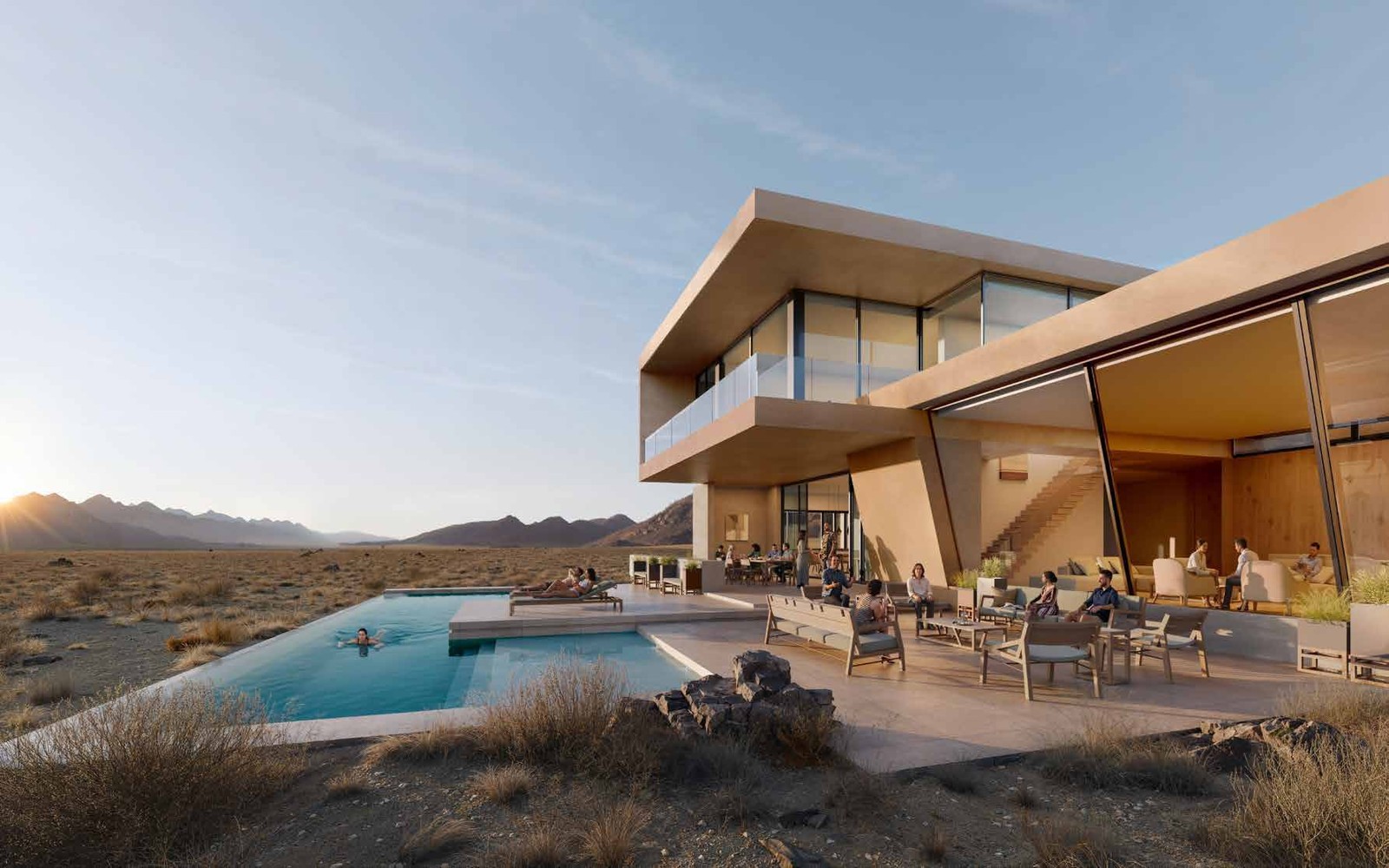
A physical place always begins as a possibility. There are ideas about light and movement, use and operations, adjacency and congregation, culture and the future. Plans are full of good intentions.
Decisions would multiply as time contracted, and eventually the projects arrived at furniture and its marketplace, a mature one I found to be binary.
Catalogs: dependable but limited: a fixed dimension, a prescribed finish, commonly built to ship flat rather than to last.
Once, a project manager advised us to buy an extended warranty, for parts…of the furniture.
The phrase stayed with me. A warranty for parts. Not because replacement parts are inherently bad, but because anticipated failure was in the equation from the outset, and we were to insure against it.
Custom: on other hand, it can be both necessary and liberating to create something from scratch. To do it, someone has to coordinate a small federation of designers, engineers, fabricators, finishers, freight forwarders and general team players to hold it all together. Finding those someones was hard.
Between the repeatable and the bespoke, there was a gap in my professional world.
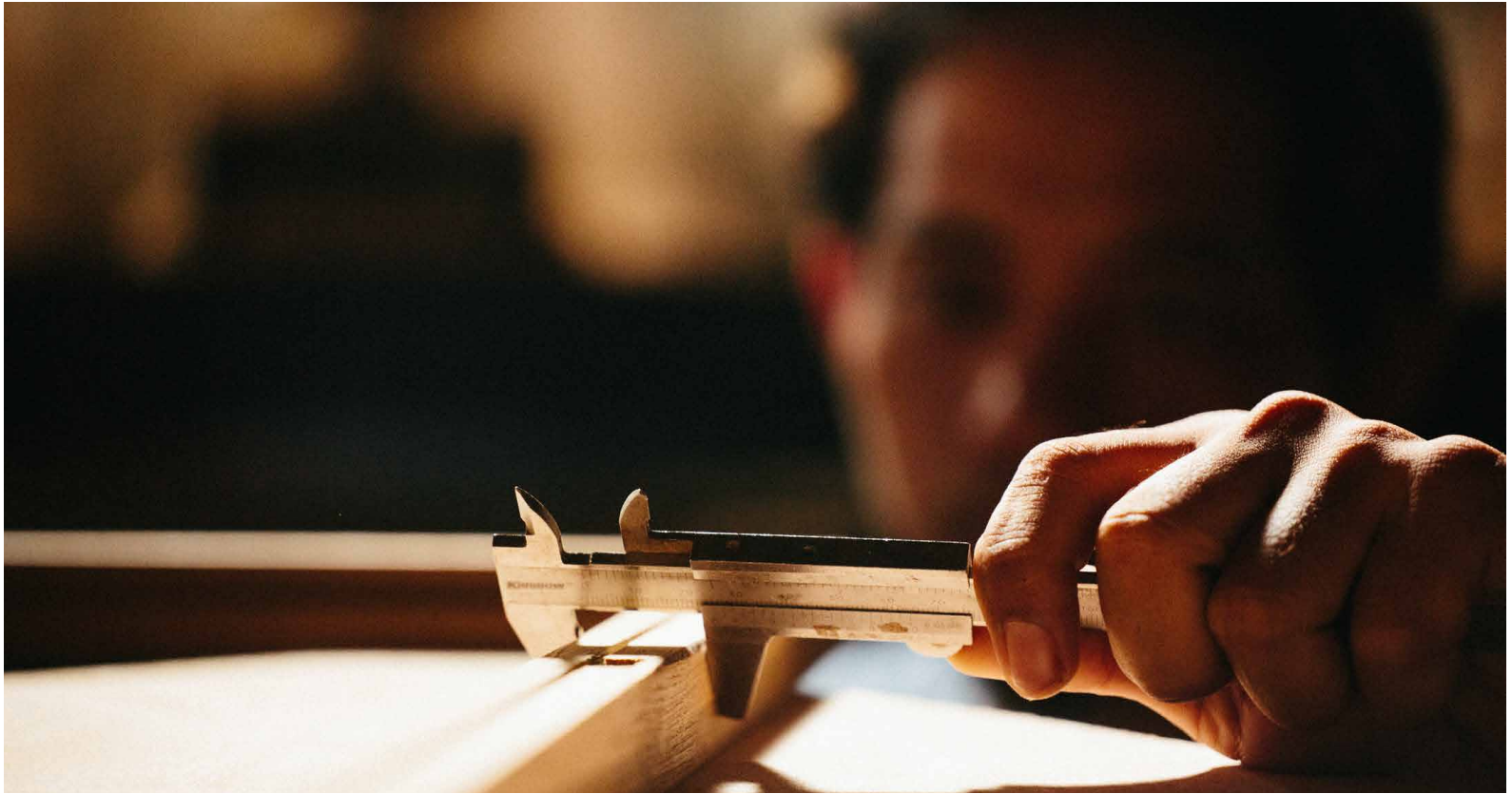
Minding the gap over time, a series of events led to another way: to do it and make it ourselves. To connect things that had become unnecessarily separate: modern design and traditional craft; the precision of an industrial process and the muscle-memory of human hands; catalog and customization; end-user and manufacturer.
We are not here to embellish timelessness (luxuriously) nor do we believe every chair needs a manifesto. We simply believe that our chairs need to be really damn good chairs. Charming, comfortable and friendly. Beautiful, reliable and tough. nbd.
We are here because project teams should not have to choose so quickly between imagination and execution. Because customization can be rigorous rather than improvised. Because good materials should be honestly named.
Because you should have more agency over details that bring life to space.